AGP Executive Report
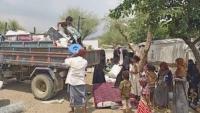
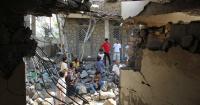
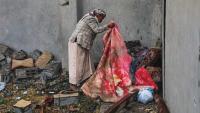
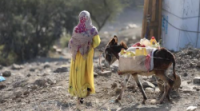
Last update: 2 hours agoNewborns at Risk: Fuel shortages in Taiz have cut the Yemeni-Swedish Hospital’s operating incubators from 40 to 10, while staff warn oxygen and fuel could run out. WHO says 42 health facilities in the city face shortages of fuel, oxygen, medicines and supplies. Hospitals Under Fire: MSF says a strike landed about 150 metres from Mocha General Hospital on Monday, damaging the building and frightening patients and staff; nearby strikes are also deterring people from seeking care. Disease and Displacement: UN humanitarians say restricted access has pushed health needs in Taiz to critical levels, with waste buildup raising outbreak risks. Cholera cases continue across Yemen, including 14 reported in Marib City, with one death. More than 280,000 people have been displaced nationwide since August, almost half from Taiz governorate.
Note: AI summary from news headlines; neutral sources weighted more to help reduce bias in the result. Feedback is welcome. Please let us know if you have any comments or suggestions about the AGP Executive Report.





 Perspectify News