
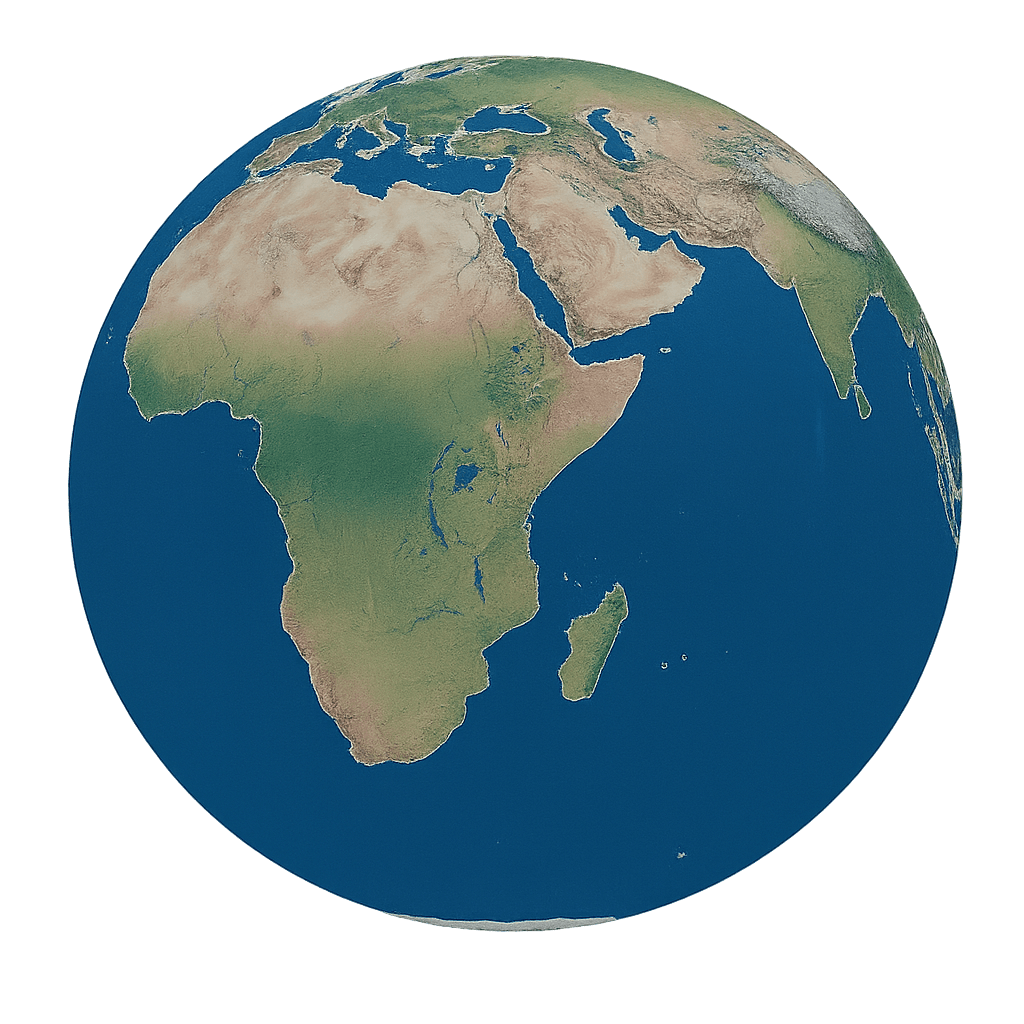
Hospital Attacks: Yemen’s Health Ministry says Saudi airstrikes hit near Al-Sabeen Maternity and Childhood Hospital in Sana’a during peak hours, damaging buildings, wards, and equipment including an intensive care unit and infant incubators, with injuries and panic among patients and pregnant women. War Escalation: Fighting has intensified around Sana’a and across Taiz, with reports of dozens killed in Taiz over 24 hours as both sides trade airstrike and missile claims. Displacement & Hunger: The UN reports at least 150,000 people have fled homes amid renewed fighting, while WFP warns hunger is surging—three out of four families in government-held areas struggle to meet basic food needs. Cholera Risk: WHO warns deteriorating water, sanitation, and health services in displacement camps in Aden are raising cholera and other infectious disease risks, citing thousands of suspected cases and overwhelmed maternal and emergency services. Health Response: In Hodeida’s Hays district, an eye camp delivered 165 surgeries (mostly cataracts) for 1,383 cases, supported by zakat funding. Food Security Efforts: Yemen’s Hajjah governorate reports successful cultivation of locally produced rice, aiming to reduce reliance on imports and strengthen household food security. Regional Health Context: UN and WHO messaging this week also highlights how conflict-driven displacement across the region accelerates disease spread and strains clinics.
AGP Executive Report
Your go-to archive of top headlines, summarized for quick and easy reading.
Note: AI summary from news headlines; neutral sources weighted more to help reduce bias in the result. Feedback is welcome. Please let us know if you have any comments or suggestions about the AGP Executive Report.
Hospitals under fire: Saudi strikes hit Yemen’s capital Sana’a and nearby areas, with the Houthi-run Health Ministry saying Al-Sabeen Maternal-Child Hospital suffered severe damage during peak hours, while reports also cite injuries near detention sites. Taiz fighting and civilian harm: In southwestern Taiz, clashes between Houthis and government forces killed 70+ in 24 hours as both sides traded airstrike and missile claims, raising fears for civilians near the Red Sea approaches. Cholera risk in displacement camps: WHO warned that worsening water and sanitation in Yemen’s displacement sites—especially in Aden—has increased cholera and other infectious disease risk, with thousands of suspected cases and many families relying on unsafe water. Hunger spikes as families flee: WFP says nearly 75% of Yemeni households in accessible areas struggle to meet basic food needs, as renewed insecurity drives more displacement and families survive on minimal food. Eye care access: A free eye camp in Hodeida’s Hays District delivered 165 surgeries (mostly cataracts) to over 1,300 vulnerable patients, showing how targeted services still reach communities despite the conflict. Food security effort: Hajjah reported progress in cultivating Yemeni rice in districts including Aslam and Qafl Shamar, aiming to reduce reliance on imports.
Yemen Conflict & Health Emergency: Fighting in Taiz is intensifying, with reports of more than 70 killed in 24 hours as Saudi airstrikes and missile attacks hit Houthi-held areas; the Houthis say 94 strikes and missile attacks occurred in the same period, while government forces report hundreds of targeting operations and heavy casualties. Hunger & Food Security: WFP warns food insecurity is rapidly worsening across government-controlled Yemen: 74% of households can’t meet basic food needs, wheat flour prices rose sharply in parts of Taiz, and displacement is disrupting markets and aid access. Child Displacement: UNICEF says nearly 79,000 children were displaced in western Yemen in less than a month, with fighting forcing health facilities to close and schools to suspend classes. Public Health Risks: UN agencies warn the surge in displacement is raising disease risks, while WHO has flagged Yemen’s health system as near breaking point amid escalating casualties and shortages. Aid Access & Funding: The UN released $160 million from its emergency fund for crises including Yemen, but officials stress access barriers and political obstacles are still blocking relief.
Food Security Crisis: WFP says nearly three in four households in government-controlled Yemen can’t meet basic food needs, with wheat flour prices up about 10% in parts of Taiz and imports still covering around 90% of food. Displacement & Child Health: UNICEF reports about 79,000 children displaced in western Yemen in under a month, with fighting disrupting health and education; 26 UNICEF-supported health facilities have closed and 243 schools have suspended classes. Disease Risk for Displaced People: UN warns rising disease threats among displaced Yemenis as tens of thousands move and health services face shortages of food, water, and sanitation. Humanitarian Access Under Strain: UN OCHA says urgent funding and unhindered safe access are needed as displacement nears 198,000 since July. Health System Under Pressure: WHO-linked coverage highlights Yemen’s health system nearing “breaking point” as casualties and displacement rise, threatening epidemic outbreaks. Nutrition at Risk: UNICEF flags acute malnutrition rising amid escalation, with millions of children needing humanitarian assistance.

Yemen Health System Under Strain: Doctors warn the health system could collapse as renewed fighting drives hundreds of casualties into already crippled hospitals, with staff, medicines, and supplies running short. Epidemic Risk Rising: WHO flags growing threats of cholera, dengue, and measles spreading as insecurity disrupts care and basic services. Cholera Snapshot: WHO reports over half of cholera patients are under age five, underscoring how quickly outbreaks can overwhelm pediatric care. Displacement Crisis: Yemen’s displacement figures keep climbing—reports cite more than 180,000 people affected across government-controlled areas—pushing families into worse conditions for water, food, and treatment. Local Health Impacts: Reports also describe attacks and interference affecting medical staff and facilities, while fighting around Taiz and other fronts worsens access to care. Aid and Nutrition Pressure: UNICEF warns of severe malnutrition among children as displacement and insecurity cut off nutrition and child health services.
Yemen Health Crisis: Renewed fighting between Houthis and Saudi-backed forces is pushing Yemen’s already fragile health system toward collapse, with doctors warning hospitals lack staff, medicines, and basic supplies while casualties and patient surges strain care. Taiz Frontline Casualties: Reports from Taiz say clashes south of the city left dozens dead and wounded, with airstrikes hitting Houthi positions—further worsening access to treatment in a key southwestern hub. Displacement and Health Risks: Aid and displacement updates show the crisis deepening fast: one report cites more than 186,000 people displaced across government-controlled areas, while another earlier figure put displacement at about 180,000—pressuring food, water, shelter, and healthcare, and disrupting schooling for hundreds of thousands of children. Epidemic Alerts: WHO warnings highlight rising risks of cholera, dengue, and measles as insecurity and overcrowding undermine prevention and routine care. Humanitarian Delivery Strain: WFP and other agencies warn that insecurity on the ground and inadequate funding are making it harder to deliver assistance where it’s most needed.
Cholera, dengue, and measles surge: The WHO issued an urgent health alert for Yemen, citing sharp increases in suspected cholera (7,784 cases, 22 deaths), dengue (9,604 cases, 37 deaths), and measles (22,000+ suspected cases, 128 deaths), warning that conflict is disrupting clean water, sanitation, routine immunization, and care access. Health system under pressure: WHO says only 60% of facilities are fully functional, with attacks or damage reported at nine facilities, and emergency obstetric and newborn services suspended in two hospitals. Violence against medical staff: In Taiz’s Dimnat Khadir, local sources report Houthi Preventive Security personnel assaulted doctors and nurses after hospitals couldn’t cope with rising casualties, worsening fear and capacity limits. Supplies blocked: In Al‑Khokha (Al‑Hudaydah), a truck carrying about $120,000 in medicines seized by Houthi elements threatens to disrupt care for nearby health centers. Food insecurity deepens: Displaced families in Taiz report skipping meals as fighting drives mass displacement and worsens hunger. Regional conflict keeps escalating: Reports also describe renewed clashes and mobilization measures that could further strain Yemen’s already fragile health services.
Cholera, Dengue, Measles Alerts: WHO warns Yemen is facing simultaneous outbreaks, with 7,784 suspected cholera cases (22 deaths), 9,604 dengue cases (37 deaths), and over 22,000 suspected measles cases (128 deaths), as conflict disrupts water, sanitation, and routine immunization. Health System Under Strain: WHO says Yemen’s health system is near a “breaking point,” with only 60% of facilities fully functional and attacks or shutdowns hitting care in Taiz, Lahj, and Al-Hudaydah; emergency maternity services have been suspended in some hospitals. Violence Against Medical Staff: In Taiz’s Dimnat Khadir, local sources report Houthi personnel assaulted doctors and nurses after hospitals couldn’t absorb rising casualties, worsening fear and reducing emergency capacity. Aid Blocked: In Al-Khokha, Houthi forces seized a truck carrying about $120,000 in medicines meant for health centers, threatening treatment access for vulnerable communities. Food Insecurity: Displaced families in Taiz report skipping meals as fighting drives hunger and displacement, with UNICEF estimating tens of thousands of children among those forced to flee. Cholera Deaths Globally: WHO reports cholera deaths rose 30% in 2025 worldwide, with Yemen among the hardest-hit countries.
Yemen Health System Under Strain: The WHO says Yemen’s health system is at a “breaking point” as renewed fighting leaves 4,481 casualties (838 deaths) since Aug. 6 and 180,500+ displaced across 10 governorates, with nine health facilities damaged or out of service and emergency obstetric and newborn care suspended in Marib and Ras Al-Arah while staff shift to trauma care. Epidemic Fears: WHO warns outbreaks are already compounding the crisis, citing suspected measles (22,000+ cases, 128 deaths) and cholera/acute watery diarrhea (7,784 suspected, 22 deaths) plus dengue (9,604 suspected)—a dangerous mix when clean water and routine services are disrupted. Taiz Market Attack: Reports describe Saudi airstrikes hitting Mawiyah market in Taiz, killing or injuring dozens (toll expected to rise), adding to civilian harm and further pressure on already overwhelmed clinics. Cholera Context Beyond Yemen: WHO also reports global cholera deaths rose 30% in 2025 to 7,870, with Yemen among the worst-hit countries, underscoring how displacement and weak water and sanitation drive deaths.
Yemen Health System Under Strain: WHO says Yemen’s health system is at a “breaking point” as fighting drives casualties and displacement up fast, with 4,481 killed or injured since Aug. 6 (838 deaths) and about 180,500 displaced across 10 governorates; nine health facilities were damaged or forced out of service, and emergency obstetric and newborn care was suspended in two hospitals as staff shifted to trauma care. Epidemic Risk Rising: WHO warns diseases are already circulating, citing suspected measles (22,000 cases, 128 deaths) plus cholera/acute watery diarrhea (7,784 suspected, 22 deaths) and dengue (9,604 suspected)—a dangerous mix with limited clean water and disrupted services. Conflict Toll in Focus: WHO recorded 809 new conflict casualties (164 deaths, 645 injuries) between Sept. 19–26, with Lahj and the Bab al-Mandeb coast hit hardest. Aid Response: QRCS and YHF-backed support is expanding health and nutrition services for 50,000+ vulnerable people in Hajjah’s Abs District, including rehabilitated facilities and malnutrition screening and treatment. Global Health Context: WHO reports cholera deaths rose 30% in 2025 despite fewer reported cases, with Yemen among the countries accounting for most reported cases and deaths.
Complex Emergency Update: WHO says Yemen’s escalation since Aug. 6 has killed 838 people and injured 3,643, with 809 new casualties (645 injured, 164 dead) recorded between Sept. 19–26; Lahj is hardest hit and Lahj’s fighting is driving a fast rise in displacement. Disease Risk: WHO warns the crisis is shifting from war trauma to a broad health emergency, with outbreaks feared for cholera, measles, malaria and dengue, plus disrupted mental health and chronic care. Health System Under Strain: UN OCHA reports hostilities forced 142,000 people to flee, with some hospitals suspending emergency obstetric care; partners deployed mobile teams and delivered medical supplies, but funding and access are still urgently needed. Aid & Nutrition Support: Qatar Red Crescent Society (QRCS) launched a $600,000 OCHA Yemen Humanitarian Fund project in Hajjah to rehabilitate one hospital and four health centres and expand acute malnutrition treatment and screening. Violence Hits Civilians: Reports from Taiz describe deadly Saudi strikes on a market (7 killed, 40 injured) and damage to schools and homes, while a separate attack in Hadramout killed a university professor and injured another. Refugee Pressure: Djibouti appealed for international help as thousands of Yemenis arrive from the Red Sea corridor, straining shelter, food and healthcare.
Health System Under Strain: Yemen’s Health Minister warned that falling funding could push parts of the health system toward collapse, with fewer than half of facilities operating at full capacity and shortages hitting medicines, fuel, maternal and child care, vaccinations, nutrition, dialysis and cancer treatment. Conflict Toll: WHO reported 164 deaths and 645 injuries in Yemen between Sept. 19–26, with more than 180,000 displaced since fighting escalated. Taiz Civilian Harm: Saudi airstrikes on Taiz were reported to have killed at least seven and wounded dozens (including children) at or near the Mawiya market area, while Yemen’s government and Houthi accounts disputed targets and casualty figures. Water & Malnutrition: Displaced families in Taiz’s Al-Munij camp said access to drinking water is worsening as camp populations grow; UNICEF also warned acute malnutrition is rising among children. Burn Care Expansion: Hajjah inaugurated a National Center for Burns and Reconstructive Surgery branch, adding specialized staff and equipment to improve local treatment capacity. Refugee Pressure: Djibouti appealed for international support as Yemeni refugee arrivals surged, stressing shelter, food, healthcare and basic services are stretched.
Taiz Market Strike: Yemen’s Houthi-run health ministry says Saudi airstrikes hit the Mawiyah junction market in Taiz, killing at least seven and injuring dozens (including children), while the internationally recognized government says its forces targeted a Houthi camp and vehicles nearby; the competing accounts are still not independently verified. Health System Strain: The WHO reports nearly 700 people killed in Yemen since fighting escalated last month, as the conflict continues to disrupt care and push civilians into deeper risk. Displacement & Child Nutrition: UNICEF warns violence is driving mass displacement of children and worsening malnutrition, with acute hunger rising as access to healthcare breaks down. Food Safety & Claims: GCC food safety regulators, including Yemen, notified the WTO of tighter rules for “gluten-free” labeling in the region, setting strict gluten limits and ingredient requirements. Community Health & Agriculture: In Hajjah, officials discussed performance of a multi-purpose agricultural cooperative, including training for animal health and plans to expand water-barrier irrigation to support local food resilience.
Taiz Civilian Harm: Yemen’s Houthi-run health ministry says a Saudi airstrike hit shops at the Mawiyah junction in Taiz’s central market, killing 7 and injuring 40 (including children), while Yemen’s internationally recognized government says its forces targeted a Houthi camp and vehicles at the same spot—accounts not independently verified. Health System Under Strain: Yemen’s health minister warns some areas could see a near-total loss of services if funding keeps falling, citing closures, medicine and fuel shortages, and that only about 17% of needed health response funding is currently available for 19.3 million people needing help. Casualty Totals From Sept 3 Escalation: The Houthi-linked health ministry reports 174 killed and wounded across six governorates since Sept 3, with women and children among the majority. Humanitarian Pressure: UN-linked reporting highlights displacement and worsening access to care as fighting intensifies, with health services already stretched.
Child Protection & Conflict: Civil society groups warn Houthis are forcing children to fight, citing recruitment and use of child fighters in Taiz, the west coast, Marib and Al-Jawf, calling it a war crime. Mobilisation & Escalation: Yemen’s government declares general mobilisation against the Houthis as open warfare nears, with amnesty offered to fighters who lay down arms. Humanitarian Funding: The UK pledges £10m in emergency aid for displaced Yemenis, including food and nutrition for children, emergency healthcare for women and children, and vaccines. Malnutrition Crisis: UNICEF says nearly half of children under five face acute malnutrition, with stunting at 49% and urgent calls to expand maternal and child nutrition and health services. Displacement & Refugees: UNHCR warns displacement is worsening, with over 128,000 newly displaced since September and nearly 3,000 arriving in Djibouti from Yemen in under a week. Health System Strain: Reports describe hospitals overwhelmed and medicines running short as conflict disrupts care, leaving children like one 7-year-old with delayed treatment and acute crisis malnutrition. Water & Public Health: Warnings grow that Gaza desalination plants may shut down due to lack of spare parts and fuel—raising risks of unsafe drinking water and disease. Civilian Harm & Accountability: A coalition of 266 Yemeni civil society organizations urges stronger international action to protect civilians and hold perpetrators accountable, citing attacks on health and education facilities.
Acute Malnutrition Surge: UNICEF says nearly half of Yemen’s children under five are affected by acute malnutrition, with stunting at about 49% and a “vicious cycle” where conflict worsens hunger and hunger makes kids more vulnerable. Humanitarian Funding: The UK announced a £10 million emergency package for Yemen, targeting food, healthcare, nutrition support, and urgent vaccination for displaced and vulnerable groups. Displacement Crisis: UNHCR warns displacement is worsening, with more than 128,000 newly displaced since early September and thousands reaching Djibouti, where women and children make up about 60% of arrivals. Health System Under Strain: Reports from Aden describe hospitals overwhelmed and feeding centers struggling as delays in care leave children in “acute crisis,” while some facilities turn away patients to handle trauma. UNICEF Child-Focused Warning: UNICEF also highlights that around 1.3 million pregnant and breastfeeding women and girls are affected, urging rapid expansion of maternal and child nutrition programs.
Child Nutrition Crisis: UNICEF warns acute malnutrition is rising fast in Yemen as renewed fighting disrupts healthcare access, with 71,000 children among nearly 130,000 displaced in three weeks and mobile teams finding over a quarter of screened children acutely malnourished (about 200 severe). Displacement & Health Access: UN-linked reporting says hunger and displacement are worsening child vulnerability, while conflict continues to close or suspend services and make treatment harder to reach. Eye Care Outreach: In Hodeida, the 28th free eye medical camp in Al-Zuhrah district screened 1,000 cases over five days, performing 290 cataract surgeries with lens implants and providing free medicines. Community Health & Food Security: Sana’a’s “Good Land” productive families exhibition highlighted local food production—claimed to be higher in nutritional quality and lower in price than imports—framing it as support for household self-sufficiency during ongoing instability. Humanitarian Pressure: UNHCR’s chief Barham Salih urged the Security Council to prioritize political solutions over endless aid, warning displacement is outpacing durable solutions.
Child Nutrition Crisis: UNICEF says acute malnutrition is rising sharply in Yemen as fighting disrupts healthcare and treatment centers, with mobile teams finding more than one in four children acutely malnourished and around 200 cases severe. Displacement & Hunger: Nearly 71,000 children were displaced in three weeks as conflict drives hunger; UNICEF also warns 2.2 million children under five could face acute malnutrition in 2026. Health System Strain: AP reports hospitals overwhelmed by renewed civil war, leaving children like a 7-year-old with delayed care until therapeutic feeding centers could take them. Human Rights Pressure: UN Human Rights Chief Volker Türk says intensifying Yemen violence is worsening civilian suffering and displacement, with attacks documented against sites hosting internally displaced people. Regional Security: The UN Security Council condemned Houthi attacks on Saudi Arabia, including impacts on civilian and energy infrastructure.
Hospital Strain in Yemen: The AP reports Yemen’s return to civil war is overwhelming hospitals, with displaced children like 7-year-old Tarek al-Salami reaching Aden after days—only to find no beds, forcing care into therapeutic feeding centers and deepening malnutrition and diarrhea risks. Humanitarian Toll & Civilian Safety: UN human rights chief Volker Türk says at least 125 civilians have been killed or wounded since early August as fighting intensifies, with about 125,000 displaced and civilian infrastructure further damaged. Frontline Fighting in Taiz/Aden Corridor: Yemen government forces say they repelled Houthi attacks aimed at a key road linking Aden, Lahj and Taiz, while Saudi air defenses intercepted six Houthi ballistic missiles targeting Taif and Yanbu. Medical Access via Camps: In Hodeida, an Al-Khokha hospital eye camp delivered 124 surgeries (mostly cataracts) for 480 impoverished cases, supported by the Zakat Authority. Regional Health Context: A CDC polio travel advisory update warns Americans to take enhanced precautions in 29 countries where poliovirus has been detected in the past 13 months.
Humanitarian Crisis in Yemen: UN agencies report displacement surging as fighting between Saudi-backed forces and Iran-backed Houthis intensifies, with over 130,000 people fleeing since early September and Taiz driving more than 60% of new arrivals; aid groups warn overcrowded communities are running short on shelter, food, healthcare, and basic services. Attacks on Health & Civilians: UN rights chief Volker Türk says displacement camps and health centres have been hit, documenting at least 125 civilians killed or injured since August, including 15 children, and three attacks on sites hosting internally displaced people. Frontline Developments (Taiz/Red Sea): Yemen government forces say they repelled Houthi attacks along the Aden–Lahj–Taiz route, while the Houthis’ push along the Red Sea coast—including pressure around Bab al-Mandeb—is worsening access and security for medical and humanitarian operations. Regional Spillover: Djibouti is described as overwhelmed by new Yemeni refugee arrivals, as the Red Sea crisis threatens both health services and survival needs.
Sign up for:
Yemen Health Report
The daily local news briefing you can trust. Every day. Subscribe now.
Check Your Email!
We sent a one-time activation link to: .
Confirm it's you by clicking the email link.
If the email is not in your inbox, check spam or try again.
Welcome back!
is already signed up. Check your inbox for updates.